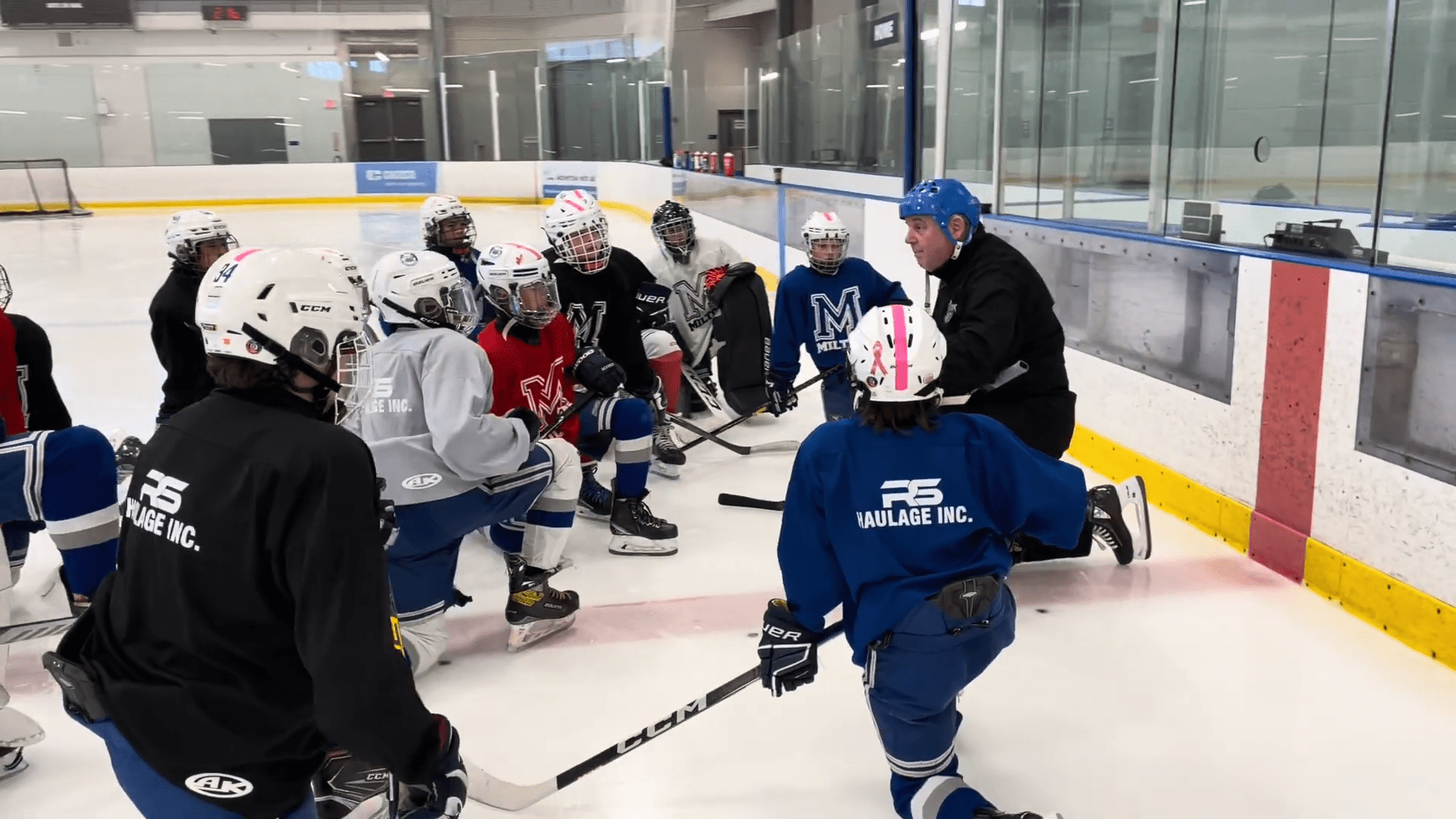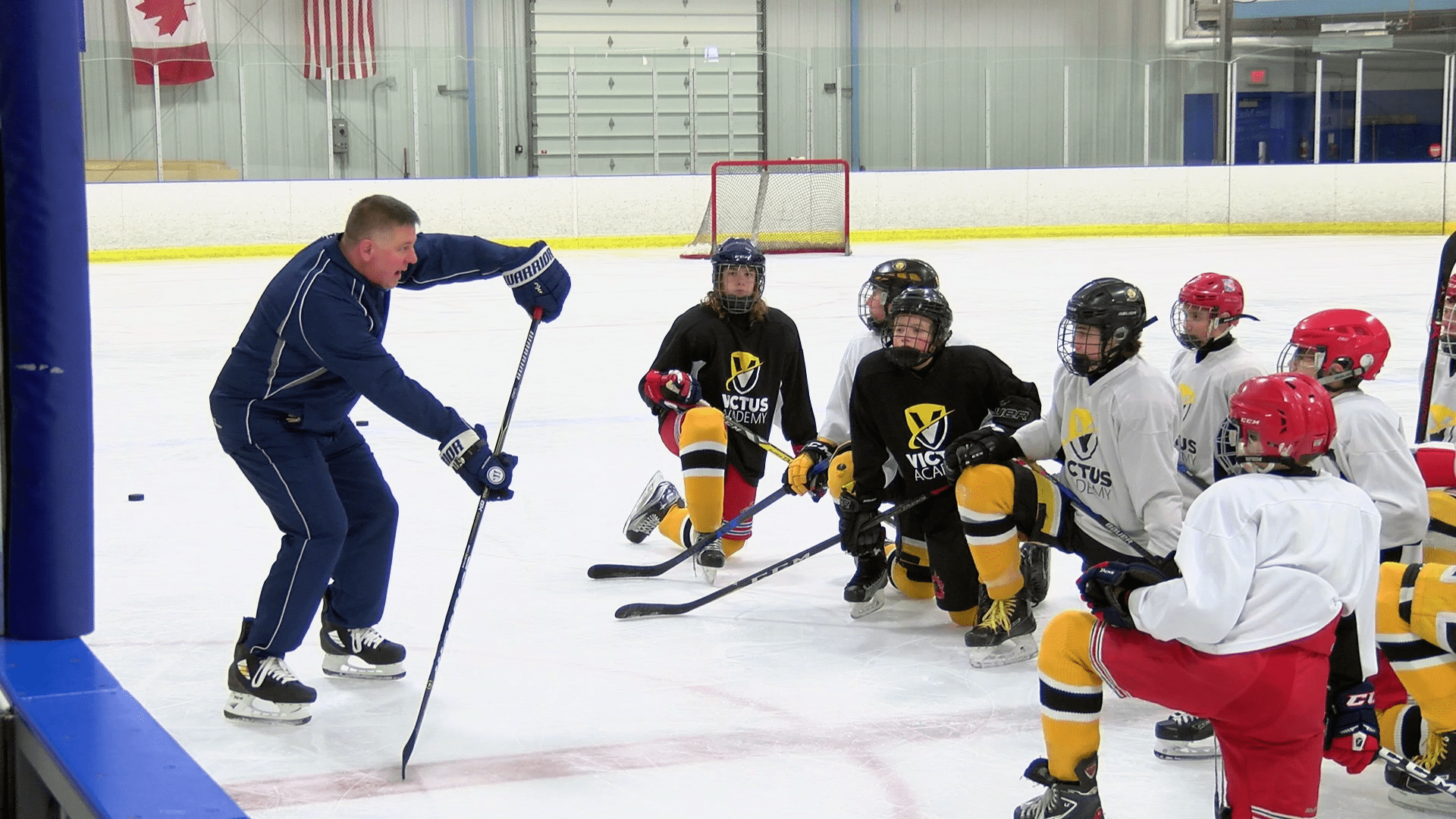
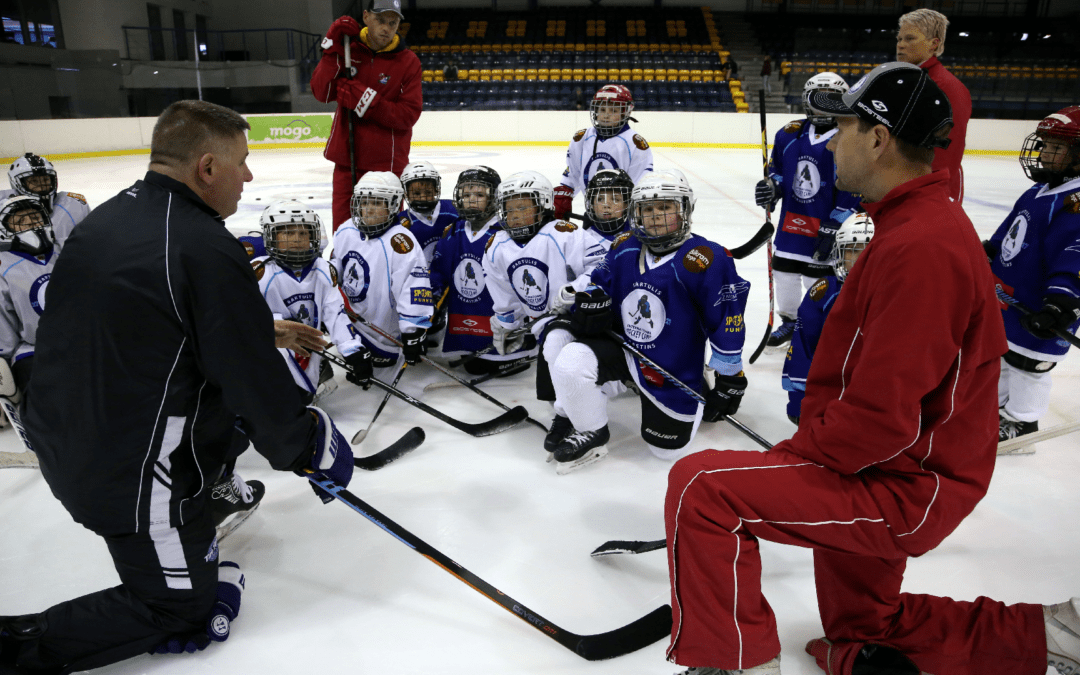
Hockey is one of the most demanding sports for young athletes. While the game builds resilience, discipline, and teamwork, it also presents unique training challenges that can impact development and long-term enjoyment. Understanding these obstacles is the first step toward overcoming them.
Below are the most common youth hockey training challenges — and how to address them effectively.
Early Specialization vs. Long-Term Development
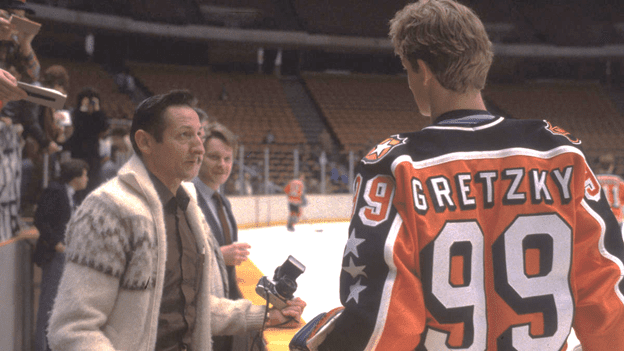
Many young players feel pressure to specialize in hockey at an early age, sometimes playing year-round before their bodies are ready. While elite programs like the showcase highly skilled athletes, those players typically followed long-term development paths — not burnout-driven ones.
The challenge:
- Overuse/ injuries
- Mental fatigue
- Limited overall athletic development
The solution:
Encourage multi-sport participation in younger years. Athletic diversity builds coordination, reduces injury risk, and often creates better long-term hockey players.
Skill Gaps Between Players
Youth hockey teams often include players with vastly different experience levels. Some have been skating since age three; others may be newer to the game.
The challenge:
- Advanced players get bored
- Developing players feel overwhelmed
- Coaches struggle to balance practice intensity
The solution:
Use station-based practices, small-area games, and tiered drills. This allows skill progression without isolating any group.
Limited Ice Time
Ice is expensive and hard to secure, especially in hockey-heavy regions. Many youth teams only get a few hours per week.
The challenge:
- Insufficient repetition
- Underdeveloped skating mechanics
- Poor puck-handling under pressure
The solution:
Off-ice training becomes critical. Stickhandling at home, shooting practice in garages, and dryland agility drills can dramatically increase skill development without extra ice costs.
Physical Maturity Differences
In youth hockey, especially during puberty, players develop at different rates. A 13-year-old who hit a growth spurt early may look dominant compared to a late bloomer.
The challenge:
- Size mistaken for skill
- Smaller players losing confidence
- Coaches overvaluing physicality
The solution:
Focus on hockey IQ, skating efficiency, and puck skills rather than just strength. History has shown that smaller players can thrive at elite levels when development is skill-based.
Balancing Competitiveness and Fun
Youth hockey can quickly become result-driven. Tournaments, rankings, and expectations sometimes overshadow development.
Even at the highest level — the game remains rooted in creativity and passion. Young players especially need space to experiment and enjoy the sport.
The challenge:
- Anxiety before games
- Fear of making mistakes
- Reduced creativity
The solution:
Coaches should reward effort and decision-making, not just goals and wins. Mistakes are part of skill growth.
Parental Pressure
Parents invest significant time and money into youth hockey. With that investment can come high expectations.
The challenge:
- Sideline coaching
- Performance anxiety
- Strained family dynamics
The solution:
Clear communication between coaches and parents. Establish roles early: coaches coach, parents support.
Burnout and Mental Fatigue
Between school, travel, practices, and games, young athletes can feel overwhelmed.
Warning signs include:
- Decreased enthusiasm
- Frequent “minor” injuries
- Emotional outbursts
- Loss of confidence
Scheduled breaks, multi-sport seasons, and unstructured play can help maintain long-term love for the game.
Final Thoughts
Youth hockey training is not just about developing elite players — it’s about building confident, resilient young people. The challenges are real: limited ice time, physical disparities, skill gaps, pressure, and burnout.
But when training emphasizes long-term growth, enjoyment, and smart development, young players are far more likely to succeed — both on and off the ice.