What Do NHL Players Do During Intermission?

What Do NHL Players Do During Intermission?

Have you ever watched an NHL game on TV? Considering how popular and widespread the sport of hockey is, it would be a difficult feat to have avoided seeing one. You’ll know, then, that televised NHL games are edited to be as entertaining and intense as possible. Multiple cameras capture all the action of the game, accompanied by energetic music and intelligent commentary. The teams battle under the watch of millions, doing everything they can to score and end the game as victors.

The action doesn’t last forever, though. Twice a game (sometimes three, for overtime), there is a seventeen-minute long intermission between periods. On television, this intermission time is filled with commercials, interviews, and professional analysis of the game so far. That way, the viewer is always entertained by something.

But what do the players do during the intermission time? They don’t just stay on the ice and skate around; they need a break from the harsh physical strain they’ve just endured. Here are eight of the most common things that NHL players do in between periods:

Rest

The main purpose of intermission for players is to give them a chance to rest. Playing in an NHL-level hockey game, even if only for a few minutes, is strenuous. Having a chance to sit down, catch your breath, and relax is vital to maintaining the energy needed to perform well for the periods to come.

Refuel

Along with resting comes refueling. Players use a lot of energy out on the ice that they need to somehow recover. Every player uses the intermission as an opportunity to rehydrate, either with water or a sports drink. That way, they’ll feel refreshed and reenergized for the rest of the game and can continue giving their all out on the ice.

Some players will also eat something during their break to help refuel. While it’s ill-advised to consume heavy food close to a workout, some players will have a light snack along with their drink. Foods like fruit, cereal bars, and sandwiches are most common.

Fix Their Equipment

Wearing a full set of hockey gear can be mighty uncomfortable, even for NHL players who have had years to get used to it. Moreover, it’s easy for individual pieces of equipment to slip into awkward positions out on this ice, where players don’t exactly have the time to fix it.

Most players will remove their jerseys and shoulder pads between periods to allow themselves to be more comfortable for a while. Some players even remove their skates as well. In addition, any other pieces of gear that are bothering a player have a chance to be repositioned for the next period, so they can play as comfortably as possible.

Re-tape Their Sticks

Just as the chalk on the end of a pool cue will wear out over time, so will the tape on the blade of a hockey stick. Hockey locker rooms are littered with hockey tape for the purpose of re-taping sticks during intermission. That way, players can keep the tape on their stick refreshed and won’t have to worry about the blade being damaged or the puck sliding off of it.

Talk Strategy

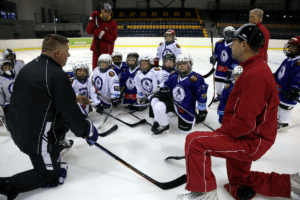
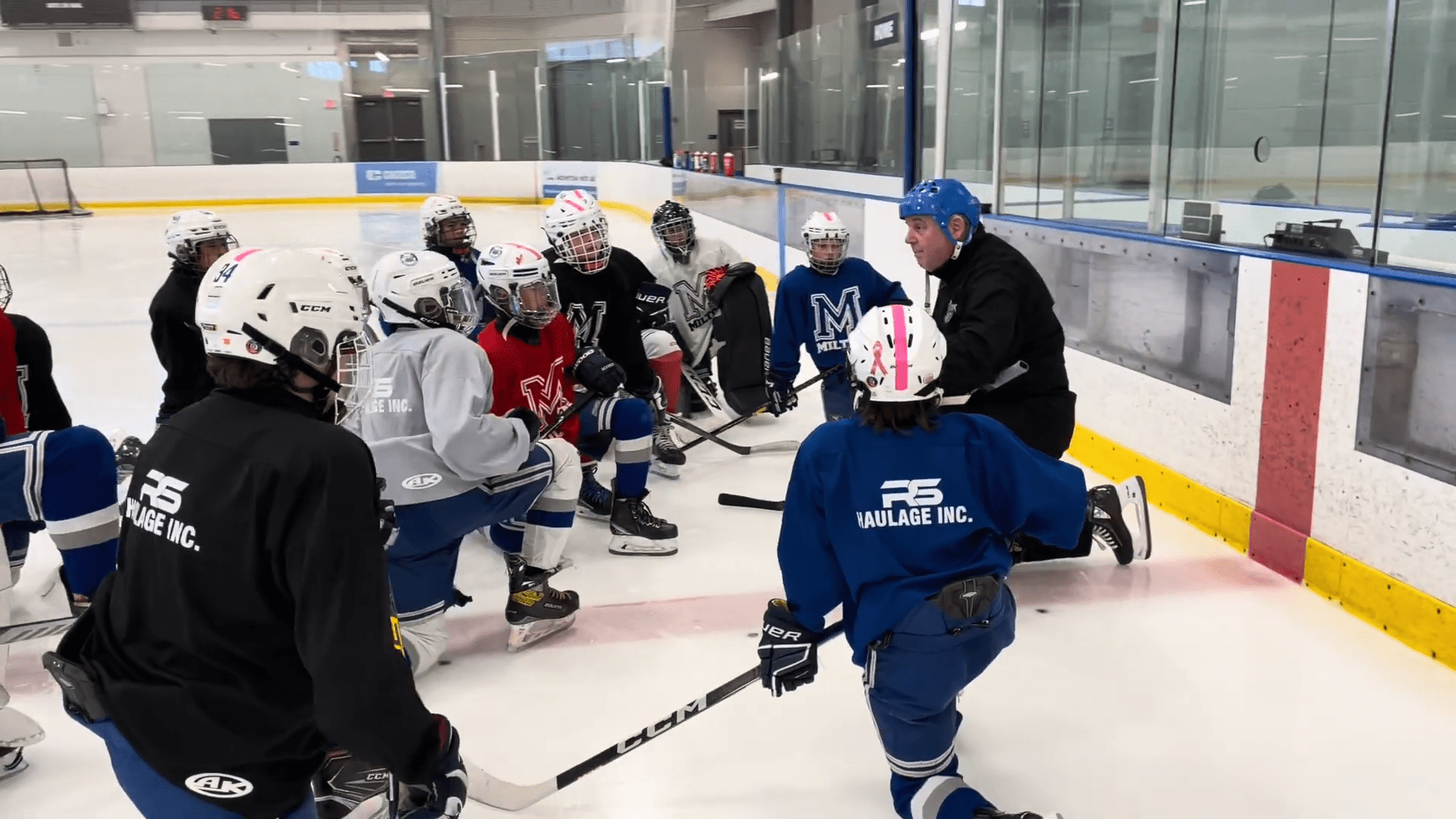
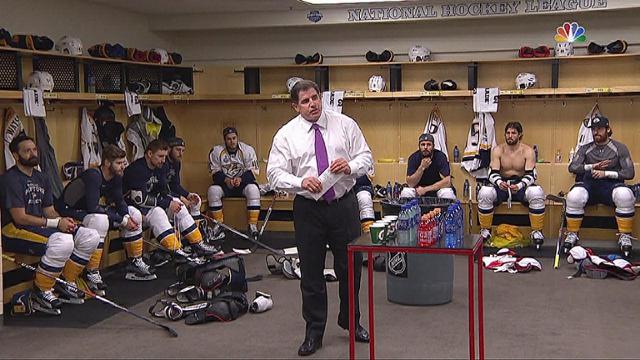
The break time between periods affords the coach a fantastic opportunity to talk to their entire team at once in a (relatively) quiet and closed environment. During the strategy talk, the coach will typically analyze the play from the most recent period and make any necessary changes to the team’s initial game plan. Of course, the players can also weigh in on the discussion and give their opinions, working with the coach to come up with the best plan for the rest of the game.

Use the Restroom

This is likely the most obvious item on the list of NHL intermission activities. Playing in an NHL game is extremely physically demanding, so hockey players are apt to sweat a lot. As a result, they intake a massive amount of fluids to stay hydrated throughout the game. The result of drinking a ton of water, I’m sure, can well be guessed.

Goof Around

Playing any sport at the highest possible level can be stressful and emotionally draining. One thing that players love to do during the breaks between periods is goof around. You know, banter, crack jokes, play little games with their teammates; all in the name of letting off some steam built up by the intensity of the sport.

This point can butt heads with the coach’s strategy talks in the form of constantly interrupting them. For that reason, the coach often despises the goofing around that the players do in the locker room. But, just like a class of fifth graders annoying their teacher, a bit of good fun will always be a part of every hockey team, no matter the age or skill level.

Other Specific Rituals

The intermissions between periods are seventeen minutes long. Even if a player were to partake in all seven other things on the list, they would still likely have some time left over before the needed to return to the ice. Most players fill said extra time just by resting more, to ensure they can perform at their best. Some players, though, have found more unique ways to pass the time.

Some players will take a shower during the intermission to feel revitalized for the upcoming period. Other players choose to meditate, closing their eyes, staying silent and visualizing their success for the remainder of the game. Some players have superstitions they adhere to like Ray Bourque, who would change the laces on his stakes every single intermission.

So, that’s what NHL players do in between periods, while fans too have their own habits during this time….but that’s another article for another day!

What Do NHL Players Do When They Retire?

What Do NHL Players Do When They Retire?

Professional hockey is what almost every minor hockey player aspires to do as they learn the game and develop their skills. Many try, but only a few hard-working people get to play in the spotlight with millions of fans watching their every move. Rising through the hockey ranks to eventually become a pro player is an incredible accomplishment; one that brings with it a great reward.

The journey of a professional hockey player is always an exciting one. They’re signed to a team for which they get to play their favorite sport and battle for supremacy and bragging rights. This is all while getting paid some serious dollars. The prospects of trades and new deals always keep them on their toes, and they train to become better players every single day. They make plenty of lifelong friends and potentially a few lifelong rivals. They strive to both work hard and have fun for as long as they get to play the game.

That’s just the problem, though. Professional hockey is a limited career. How many 70-year-olds do you see in the NHL or any other pro hockey league? The journey can’t last forever.

So, what do NHL hockey players do when they retire? The answer varies widely depending on the person, of course, so let’s look at some of the most common activity choices for retiring hockey pros.

A Tough Transition

First and foremost, retiring from professional hockey is a difficult transition for many. Pro hockey players spend an overwhelming amount of their time on hockey, be it training, playing games, attending press conferences, etc. Humans are motivated; we always want to feel like we’re being productive and working towards a fulfilling goal. So, when pro hockey players retire, there is often an urgent feeling to find a replacement activity.

Because of the structure of professional hockey, however, many skills and interests that the players had before beginning their careers can feel distant and foreign. Players seldom have the time to keep up with hobbies when they’re playing in professional hockey leagues. Plus many hockey players are stuck with a need for competition when they retire. Finally, life in pro hockey is full of routines. Suddenly not having those same routines can be very bothersome.

So, an ex-NHL hockey player finding any activity that keeps their motivation and attention half as much as hockey did is honestly admirable. With that in mind, here are some possible paths for a retiring hockey pro:

Some Pursue a Hobby

A professional hockey career brings with it some serious bucks. With the amount of money that pro hockey players make these days, there isn’t a need to find another source of income after retirement. Many pro hockey players choose a hobby to pursue after finishing up with the game. This is usually with the purpose of relaxing, since pro hockey is physically, emotionally, and mentally demanding.

For some examples, recent Predators retiree Mike Fisher spends a lot of time with his family and working to raise donations for Haiti. Ex-Lightning/Rangers player Martin St. Louis also prioritizes time with his family. Some players even turn to activities like painting, crafting, or writing, like now-author Ken Dryden. The ex-Canadiens goaltender has published six books and even maintained a political career after his retirement in 1979!

Others Stay in the Field of Hockey

Hockey is more than just a game, it’s a lifestyle. That’s especially true for the elite class of players who dedicate half of their lives to mastering the sport. That’s why, once retired, many ex-pro players decide to stay in the field of hockey. Even though they aren’t necessarily out on the ice playing, they maintain their deep love for hockey and stay involved in other ways.

Plus, professional players develop an impressive skillset over the years they train and play at the highest level. Finding another career in hockey after pros retire from playing is often the most natural transition, since they already have the skills ready to apply in some other area.

Here are the most common hockey careers that ex-pro players will pursue after retiring:

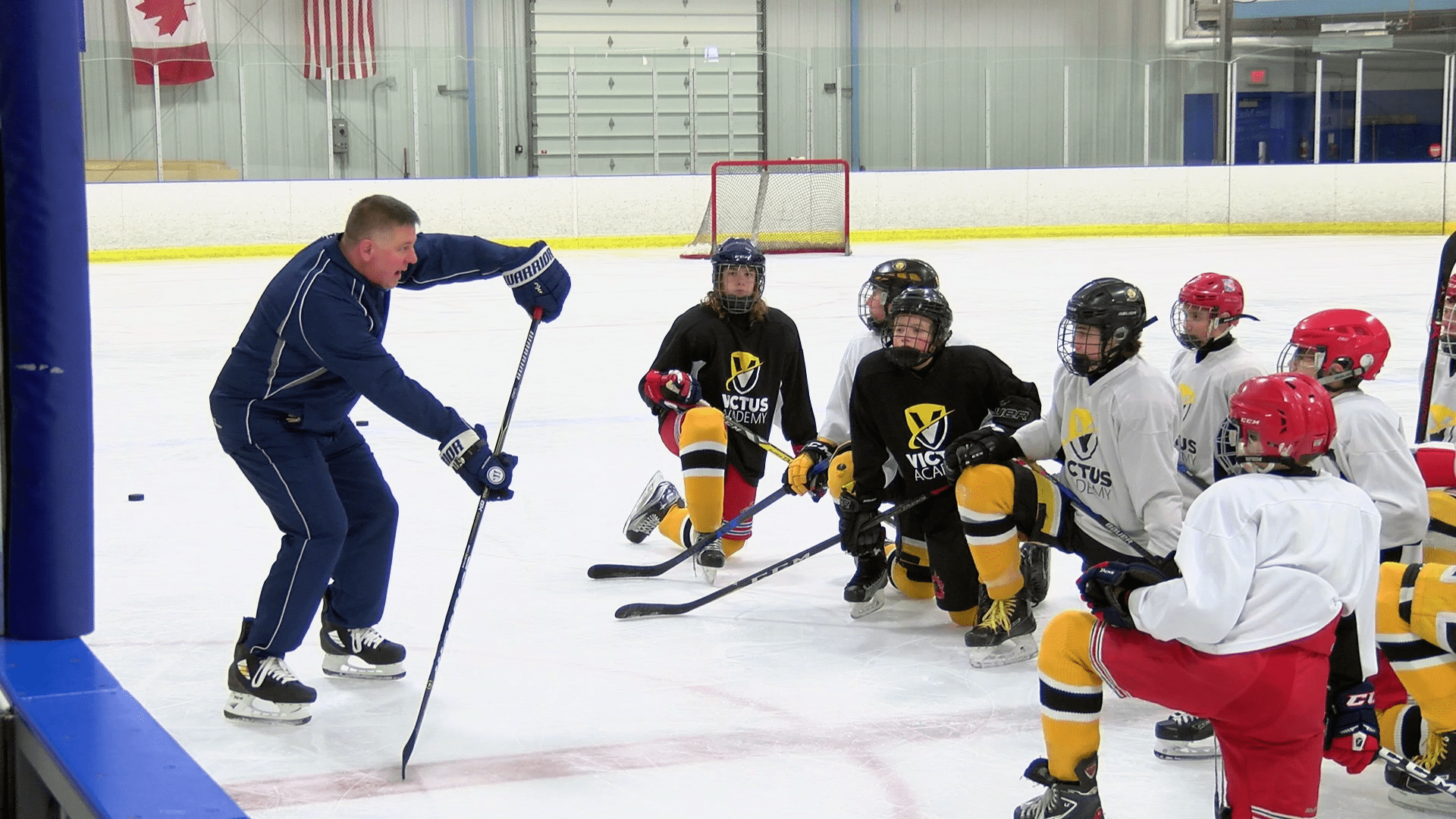
Coaching:

-Scott Gomez became the assistant coach for the New York Islanders in 2017 after playing in the NHL for 17 years
-Steve Ott is now the assistant coach of the St. Louis Blues, one of his former teams, after retiring as a player in 2017

Managing:

-Former Russian NHL Player Sergei Federov became the general manager of CSKA Moscow of the KHL after an 18-year pro career.
-Bob Murray became the general manager of the Anaheim Ducks in 2008 after playing for the Chicago Blackhawks for 15 years

Player Agent:

-The legendary Bobby Orr entered the player agent business in 1996 after a highly successful NHL career with the Bruins and the Blackhawks

Some Find a Different Line of Work

Certain ex-players leave professional hockey with a drive to completely change their field. Some have their sights set on a certain career they always admired but never got to try, and others shop around until they find something they like. Either way, the chosen careers often ending up being vastly different from hockey.

Former left-winger Sean Avery ended off his 12-year career in 2012 and transitioned to modelling and owning a restaurant. In fact, former Canadiens player Guy Lafleur and Hall-of-Famer Marcel Dionne both own restaurants as well. One of the most drastic career changes comes from goaltender Clint Malarchuk who, after ending his 15-year NHL career in 1996, became a certified veterinary technician and opened a horse dentist practice!

Ultimately, happiness is a huge part of life. Whenever a pro hockey player retires, they surely put a lot of thought into figuring out what will make them happy for the rest of their lives after their playing careers have ended. Some choose to relax and spend time on a hobby or with their family. Others choose to continue working, whether within the field of hockey or not. No matter what a player ends up choosing, the pursuit of happiness is always the most important thing.

Yes, the players we’re talking about have all achieved glory and stardom on the ice. None of them will ever forget about that. But life is about the journey, and once pro hockey players are retired, the desire to achieve glory usually doesn’t stop. They just shift their focus and try to become one of the best at something else.


𝙒𝙖𝙩𝙘𝙝, 𝙇𝙚𝙖𝙧𝙣 & 𝙄𝙢𝙥𝙧𝙤𝙫𝙚 𝙮𝙤𝙪𝙧 𝙎𝙠𝙞𝙡𝙡𝙨!

Hockey Skills training videos
Hockey Newsletter Email sign up